For decades, students studying massage therapy and holistic health have had to navigate an unfortunate cultural divide. On one side stood Western medicine, with its strictly mapped pathways of blood vessels, nerves, and isolated muscle groups. On the other side stood traditional bodywork, which treats the body as an interconnected, fluid ecosystem.
Skeptics frequently dismissed the holistic perspective, demanding to know the exact physiological mechanisms behind structural bodywork. A major feature published by the New York Times Magazine has brought a massive medical breakthrough into the mainstream, answering that exact question.
The feature highlights pioneering anatomical research led by pathologist Dr. Neil Theise at NYU Langone Health and connective tissue expert Dr. Helene Langevin at the National Institutes of Health (NIH). Together, modern medical science has officially mapped a body-wide anatomical structure called the interstitium.
Previously hidden from traditional microscopic views because standard slide preparation drains fluid and collapses tissue, the interstitium was discovered using advanced, real-time imaging on living tissue. It is a continuous, interconnected network of fluid-filled spaces supported by a flexible meshwork of strong connective tissue proteins.
This fluid-filled highway flows everywhere—beneath the skin, surrounding organs, and wrapping directly around every muscle bundle and nerve pathway in the human body. It acts as a dynamic, body-wide fluid communication network. While some researchers note its striking structural alignment with ancient Eastern meridian maps, the scientific community is most excited about what this means for physical, hands-on rehabilitation.
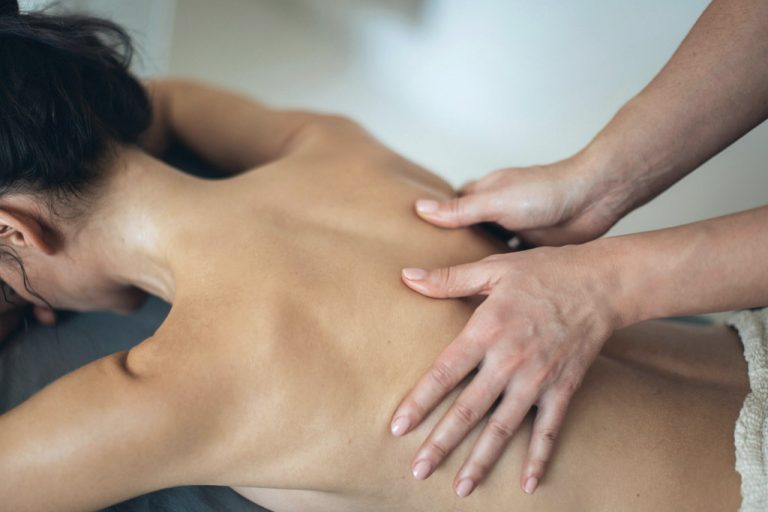
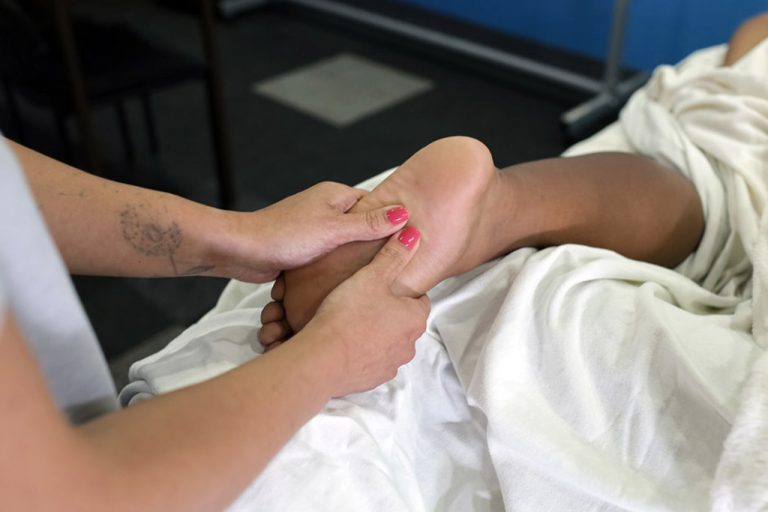
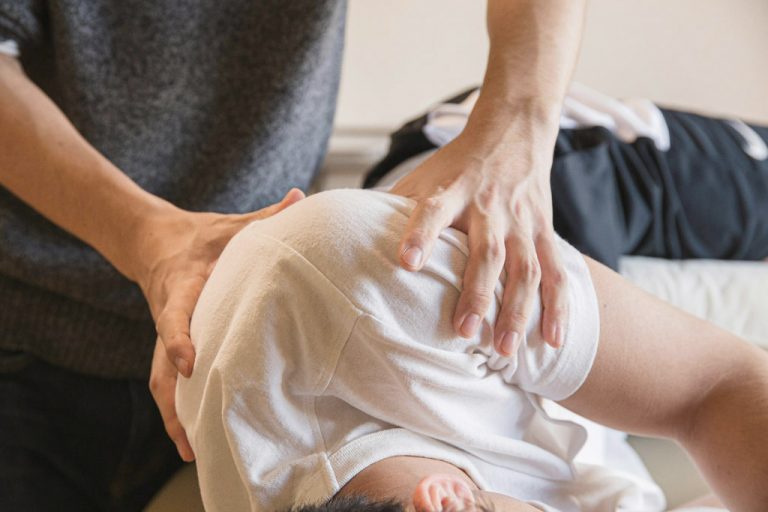
This scientific breakthrough completely redefines our modern understanding of clinical massage therapy and advanced bodywork. When an educated massage therapist applies precise manual pressure, stretches tissue, or engages in deep myofascial release, they are not merely relaxing a localized muscle fiber. They are physically manipulating the fluid dynamics of the body-wide interstitium.
Chronic pain, repetitive stress, and physical trauma cause this fascial meshwork to become rigid, dense, and dehydrated. This stagnation traps metabolic waste and restricts local circulation.
By applying targeted manual therapy, a skilled practitioner:
Stretches and realigns the protective collagen matrix.
Encourages fresh, nutrient-rich fluid to flush through these newly mapped interstitial pathways.
Triggers a localized and systemic anti-inflammatory response.
Far from being a temporary luxury or simple relaxation, clinical massage therapy is a direct, hands-on intervention in the body’s largest integrated communication network.
This convergence of structural anatomy and hands-on healing is happening at a historic moment for bodywork professionals. The line between “alternative care” and “mainstream medicine” is dissolving rapidly.
If you are considering a career transition into clinical bodywork, this shifting landscape offers unprecedented professional advantages:
Elevated Professional Status: The timing of this scientific validation lines up perfectly with critical regulatory milestones. In California, CAMTC-certified professionals are recognized as Health Care Providers, moving bodywork firmly out of the “personal care” category and cementing it within the medical, sports medicine, and rehabilitation landscapes.
Unprecedented Clinical Credibility: As Western research uncovers the physiological mechanisms behind manual therapies, medical institutions—including hospital systems, chiropractic clinics, and physical therapy centers—are rapidly hiring advanced massage therapists to join integrated patient care teams.
Surging Demand for Technical Skill: Patients are actively seeking out healthcare options that address root-cause structural alignment rather than just masking symptoms. Understanding how to manipulate the body’s connective tissue networks puts you at the absolute forefront of modern physical health.
Modern science is finally catching up to what advanced bodywork practitioners have observed at the clinic table for generations: the human body is a fundamentally interconnected, self-healing ecosystem.
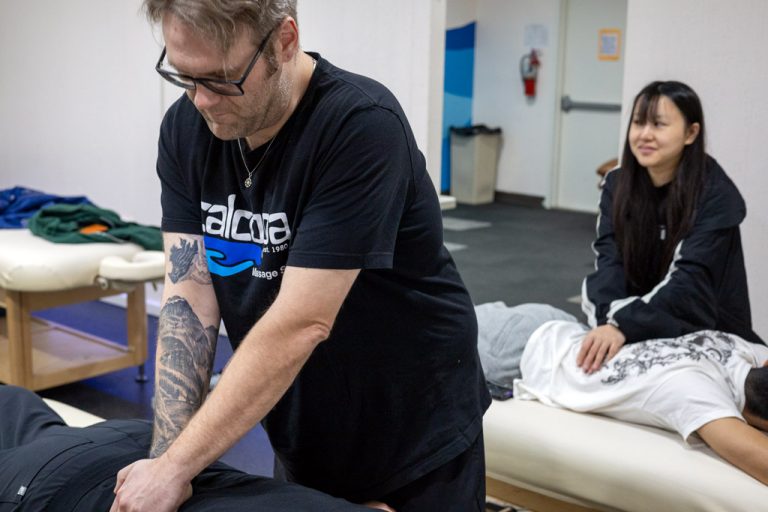
At Calcopa, we bridge the gap between traditional manual therapy and cutting-edge clinical anatomy. Based in Huntington Beach, California, our accredited programs are specifically designed to help adults transition from unfulfilling office or retail jobs into high-demand healthcare careers in as little as six months.
With small class sizes, hands-on clinical training, and an affordable tuition structure designed to shield students from corporate debt, Calcopa provides the ideal launchpad for the next generation of recognized health care providers.