
Thinking about embarking on a career in massage therapy and bodywork is an exciting turning point. Whether you are looking to escape the daily desk grind, build a flexible schedule, or step into a meaningful healthcare profession, transitioning into bodywork offers immense personal and professional fulfillment.
However, before you walk into your first class, there is an important reality to consider: in massage therapy, your body is your primary instrument.
Giving a great therapeutic massage requires more than just knowing techniques; it requires stamina, structural stability, body awareness, and self-care. If you are preparing to enroll in a program, making a few proactive lifestyle and physical adjustments today will set you up for success on day one.
Here is how you can prepare your body and routine to thrive as a future massage therapist.
1. Upgrade Your Physical Conditioning & Stamina
Massage therapists spend hours on their feet, shifting weight, applying leverage, and executing continuous movements using their upper body and core. If your current routine involves long periods of static sitting or minimal physical exertion, starting a light conditioning routine now will make your hands-on training far smoother.
-
Build Leg & Core Strength: Bodywork power comes from the lower body and core, not just the hands or wrists. Exercises focused on building core and lower-body stability ensure you use your body weight for leverage rather than straining your arm muscles. You can review the ACE guidelines on core stability to learn how physical balance supports overall functional movement.
-
Boost Cardiovascular Endurance: Massage therapy is active! Simple activities like brisk walking, cycling, or swimming build the basic stamina needed to handle multi-hour practical clinical blocks effortlessly.
-
Strengthen Your Forearms & Grip (Safely): Avoid overworking wrists with heavy hand-grippers. Instead, focus on wrist extension and flexion stretches alongside forearm mobility to build resilience against repetitive stress.
2. Develop Unshakeable Body Mechanics and Posture
One of the most vital concepts taught at CalCopa Massage School is proper body mechanics. Correct posture prevents fatigue and long-term strain, ensuring you can enjoy a long, healthy career.
If you currently work at a computer or spend hours on your phone, you might already be dealing with common postural imbalances like “Tech Neck” or rounded shoulders. Consult the Mayo Clinic guidance on joint alignment to understand how everyday habits impact long-term spinal health.
| Postural Tendency | Physical Impact | Preparation & Correction Habit |
|---|---|---|
|
Forward Head Posture
|
Strains upper trapezius and cervical neck muscles. |
Perform chin tucks and chest-opening stretches against a wall daily. |
|
Rounded Shoulders
|
Tightens pectorals and weakens upper-back muscles. |
Incorporate doorway pectoral stretches and upper-back row exercises. |
|
Locked Hip Flexors
|
Causes lower back strain and anterior pelvic tilt. |
Perform kneeling hip flexor stretches after long periods of sitting. |
By tuning in to your posture right now, you will have an easier time adopting the proper lunge and bow stances used at the massage table.
3. Prioritize Wrist, Hand, and Joint Care
Your hands and wrists are your most valuable assets as a therapist. Learning to care for them begins long before you begin clinical practice.
-
Practice Daily Joint Mobility: Warm up your fingers, wrists, and shoulders every morning with gentle circles, arm swings, and finger spreads.
-
Prevent Work-Related Strain: Review OSHA workplace ergonomic standards to learn how ergonomic principles reduce cumulative stress on joints and tendons.
-
Ditch the “Finger Strength” Myth: Beginners often assume they need rock-hard thumb strength to deliver deep pressure. In reality, professional therapists use elbows, forearms, and body leverage to deliver deep tissue work without destroying their hands.
4. Rethink Your Personal Hydration & Daily Recovery Routine
As a bodywork provider, you will frequently educate your clients on the importance of hydration, movement, and recovery—so it helps to model those habits early.
-
Hydrate for Tissue Health: Well-hydrated fascia and muscle tissue are far more pliable and resilient. Check out the CDC daily hydration recommendations to establish a healthy daily fluid baseline.
-
Establish a Sleep Routine: Quality sleep supports tissue repair and central nervous system health. Read the Sleep Foundation research on tissue repair to see how deep rest enhances muscle recovery.
-
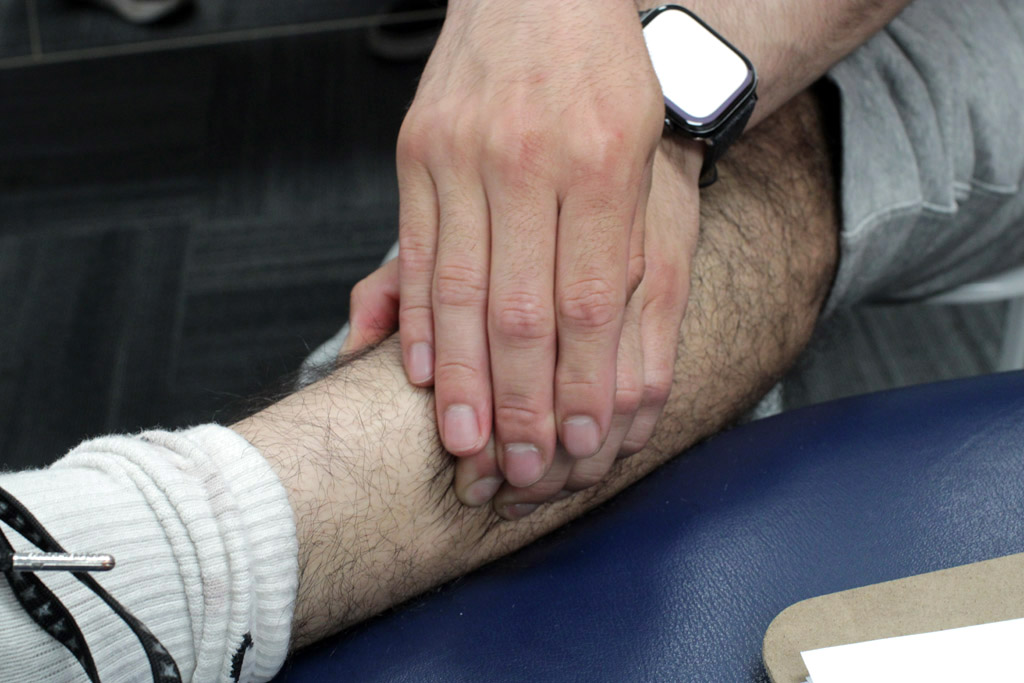
Experience Regular Bodywork: The absolute best way to prepare for massage school is to receive massage therapy. Booking regular sessions allows you to experience different styles, observe professional mechanics, and feel the direct physical benefits firsthand.
Take the First Step Toward Your New Career at CalCopa
Preparing your body is the first step on a rewarding journey toward financial independence, flexible scheduling, and meaningful work in healthcare and wellness.
Located in Huntington Beach, California College of Physical Arts (CalCopa) has been training skilled clinical bodywork professionals since 1980. Featuring small class sizes, hands-on clinical practice, and flexible schedules designed around busy adult lives, CalCopa provides the comprehensive training you need to meet state certification benchmarks and build a thriving career.
👉 Ready to take the next step? Explore our 2026 Class Schedules or Book a Tour of Our Huntington Beach Campus today!
Frequently Asked Questions (FAQ)
Do I need to be in peak physical condition to start massage therapy school?
No, you do not need to be an athlete to succeed in massage school. Proper technique, leverage, and body mechanics are designed to protect therapists of all body types and fitness levels. However, building basic core strength and endurance before classes start will help make the initial hands-on training much easier.
What are the educational requirements to practice massage therapy in California?
To practice legally in California and earn voluntary CAMTC (California Massage Therapy Council) certification, you must complete a minimum of 500 hours of supervised instruction from an approved program. This training includes anatomy, physiology, ethics, health and hygiene, and hands-on clinical technique.
How can I experience what massage school is like before enrolling?
A great way to get a feel for the environment is to visit the campus, meet the instructors, or book a treatment at the CalCopa Student Clinic. Receiving bodywork at a student clinic gives you direct insight into the practical training you will receive as a student.